Lidding films are one of those packaging components that rarely get much attention, yet they do a huge amount of work. They protect the product, control shelf life, influence machinability and quietly decide whether a tray performs well or fails on shelf.
This article breaks down lidding films for trays in a clear, practical way. We will look at structures, seal layers and where different films are typically used, without turning it into a chemistry lecture.
At Aropack, we help brands choose lidding films that work on real production lines, not just on spec sheets.
Lidding Film Structures for Tray Packaging
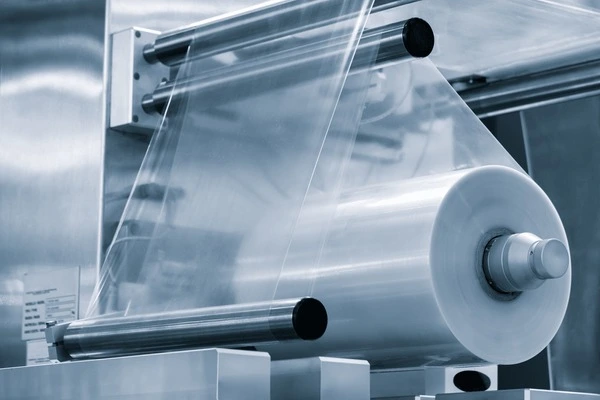
Lidding films are multi layer materials designed to seal onto trays while providing the right balance of barrier, strength and peel performance. The structure of a lidding film is always driven by what the product needs and how it will be packed. Most lidding films are laminates, meaning they combine two or more layers to achieve specific performance targets. Each layer has a job to do, and removing or changing one layer can affect sealing, shelf life or line speed.
Choosing the wrong structure is a common cause of sealing issues, waste and customer complaints. That is why understanding the basics makes a real difference.
Common Lidding Film Structures
A typical lidding film structure includes a top layer for strength and printability, a barrier layer for protection, and a seal layer that bonds to the tray. PET based structures are common because PET offers clarity, stiffness and heat resistance.
For higher barrier needs, EVOH is often included to protect against oxygen. For simpler applications, a PET PE structure may be enough. Aluminium foil structures are still used where maximum barrier is needed, although they limit recyclability.
At Aropack, we guide customers through these options by matching the structure to the product, not the other way around. This avoids over engineering and unnecessary cost.
Seal Layers of Lidding Films
The seal layer is the most critical part of any lidding film. It is the layer that actually contacts the tray and creates the seal, and small differences here can change everything.
Seal layers must match the tray material. A PE seal layer will not seal properly to a PET tray, and vice versa. Even within the same polymer family, sealing windows and temperatures can vary.
Many sealing issues blamed on machines are actually caused by seal layer mismatches. Getting this right upfront saves time, waste and frustration.
Peel, Weld and Reseal Seal Layers
There are different types of seal layers depending on how the pack should open. Weld seal layers create a strong permanent seal that usually tears the film when opened. Peelable seal layers allow clean opening without tearing. Resealable seal layers are used in reclosable lidding films where convenience matters, such as fresh produce or deli products. These require precise control of sealing parameters and compatible tray materials.
At Aropack, we always ask how the pack should behave in the consumer’s hands. That answer determines the seal layer choice more than any other factor.
Typical Applications of Lidding Films Across Industries
Lidding films are used across a wide range of markets, from fresh food to ready meals and non food applications. Each category places different demands on the film. Understanding typical applications helps narrow down the right structure faster. It also helps avoid using high cost films where they are not needed.
Food, Fresh and Modified Atmosphere Packaging
In fresh food and protein packaging, lidding films often need high oxygen barrier and strong seals to support modified atmosphere packaging. These films usually include EVOH and are carefully matched to tray depth and rigidity.
For ready meals, heat resistance becomes important, especially for microwave or oven use. PET based lidding films perform well here, offering stability and clarity.
WRAP provides useful guidance on food packaging materials and performance considerations, which is worth reviewing when planning tray and lidding combinations.
At Aropack, we regularly support food brands by testing seal performance on their actual trays before production starts.
Machine Compatibility and Production Reality
Lidding films do not work in isolation. They must run smoothly on tray sealing machines without slowing production or causing excessive waste. Film stiffness, coefficient of friction and sealing window all affect line speed. A film that looks perfect on paper can struggle on fast lines if it is not designed for that environment.
This is where supplier experience matters. Knowing how films behave on different sealing equipment reduces costly trial and error.
Sustainability Considerations for Lidding Films
Sustainability discussions around lidding films are becoming more common, especially as tray packaging evolves. Mono material trays require compatible lidding films to maintain recyclability. PE based lidding films paired with PE trays or PET films paired with PET trays support recycling where infrastructure exists. Mixed material combinations make recycling more difficult.
The UK Plastics Pact sets clear expectations around recyclable packaging design, which influences how lidding films are now specified.
At Aropack, we help brands balance performance with sustainability, without compromising product safety or shelf life.
Common Mistakes When Specifying Lidding Films
One of the most common mistakes is assuming all lidding films seal to all trays. Another is focusing only on barrier while ignoring seal behaviour and opening experience.
Brands also sometimes specify films based on previous projects without considering changes in product, shelf life or machinery. This often leads to unexpected problems during scale up. Clear communication between brand, machine supplier and film supplier prevents most of these issues.
Checklist for Choosing the Right Lidding Film
Before finalising a lidding film, it helps to step back and confirm the fundamentals. What tray material is being used. What shelf life is required. How should the pack open.
Testing on real trays using production equipment is always recommended. Lab results alone are not enough to guarantee performance at scale.
Working with a supplier who understands both materials and machines makes this process far smoother. At Aropack, we treat lidding film selection as a practical exercise, not a theoretical one.
Conclusion
Lidding films for trays may look simple, but their performance depends on structure, seal layer choice and application details working together. When these elements are aligned, lidding films quietly do their job without issues.
Clear understanding and honest specification prevent sealing problems, waste and unnecessary cost. They also make sustainability conversations more meaningful and accurate.
At Aropack, we support brands through the full process of selecting and specifying lidding films that match their trays, products and production reality. If you are reviewing your current lidding film or launching a new tray format, getting this right early makes all the difference. Give us a call on 01233 281460 or send us an email at info@aropack.co.uk for a free consultation.