Planning pouch orders looks straightforward on a spreadsheet. In practice, it rarely is. Every decision sits at the intersection of unit cost, cash flow strain, and the very real limits of warehouse space. Order too little and your cost per pouch creeps upward. Order too much and cash disappears into pallets that may not move for months.
This article explores how growing brands can plan pouch orders in a way that works in the real world. It breaks down unit cost, cash flow, and storage considerations in clear language, using practical examples rather than theory. By the end, you should have a sharper sense of what to order, when to order it, and how Aropack helps brands make those calls with clarity rather than guesswork.
Understanding Unit Cost in Pouch Packaging Orders
Unit cost is usually the first figure people fixate on. It matters, but it should never stand alone. In flexible packaging, unit cost is shaped by print method, material structure, order volume, and reorder frequency.
At lower volumes, digital printing often makes sense. There are no plate costs and lead times are short. As volumes increase, gravure printing can drive unit cost down significantly, but only when the order size justifies it. The common mistake is chasing the lowest unit price without checking the knock-on effects elsewhere in the business.
Take a simple example. Ordering 100,000 printed pouches might shave a few pence off each unit compared to ordering 30,000. On paper, that looks like a win. In reality, those savings can evaporate once you factor in cash tied up for months or the cost of storing unused stock.
How Order Volume Affects Pouch Unit Cost
Unit cost in pouch packaging does not decline in a smooth line. It drops in steps. Each jump in volume unlocks better material efficiency, improved press utilisation, and lower waste per run. That is why quotes often change dramatically between 10,000, 25,000, and 50,000 units.
The goal is to identify the volume where the unit cost improvement is meaningful without putting pressure on the rest of the operation. Brands that scale successfully often accept a slightly higher unit cost early on in exchange for flexibility.
At Aropack, we regularly model multiple volume scenarios side by side. When brands see unit cost, cash outlay, and delivery timing together, the right decision often becomes obvious.
Managing Cash Flow When Ordering Flexible Packaging
Cash flow is where many packaging plans quietly fall apart. Packaging is typically paid for long before the product inside it reaches a customer. That gap can stretch further than expected, especially in food, pet food, and supplement categories.
When too much cash is locked into packaging stock, other areas suffer. Marketing budgets tighten. New product launches slow down. Risk increases. If artwork changes, regulations shift, or the formulation evolves, packaging can turn into dead stock almost overnight.
Effective pouch planning treats cash flow as a primary constraint, not a secondary concern. The key question is not just how much you spend, but how long that money is unavailable.
Splitting Pouch Orders to Protect Cash Flow
One proven approach is splitting larger orders into phased deliveries. Instead of taking the full quantity at once, the packaging is produced as a single run but delivered in stages over several months. This eases cash pressure and reduces storage demands.
Another strategy is starting with a digital print run to validate demand, then transitioning to gravure once volumes are proven. The initial unit cost may be higher, but the risk is lower and learning happens faster.
Many brands find that moving from one large, all-or-nothing order to two or three planned drops dramatically reduces stress. Cash flow becomes predictable. Planning improves. Decision-making feels calmer.
Warehouse Space and Storage Planning for Pouch Packaging
Warehouse space is the quiet constraint that often gets overlooked. Flexible packaging is light, but it is not compact. Pallets accumulate quickly, particularly with stand up pouches and flat bottom bags.
Without proper planning, brands end up paying for external storage or forcing stock into unsuitable spaces. Poor storage conditions can damage packaging, especially if humidity and handling are not well controlled.
Once storage is factored in, that “cheaper” large order often looks far less attractive.
How Pouch Format Impacts Storage Needs
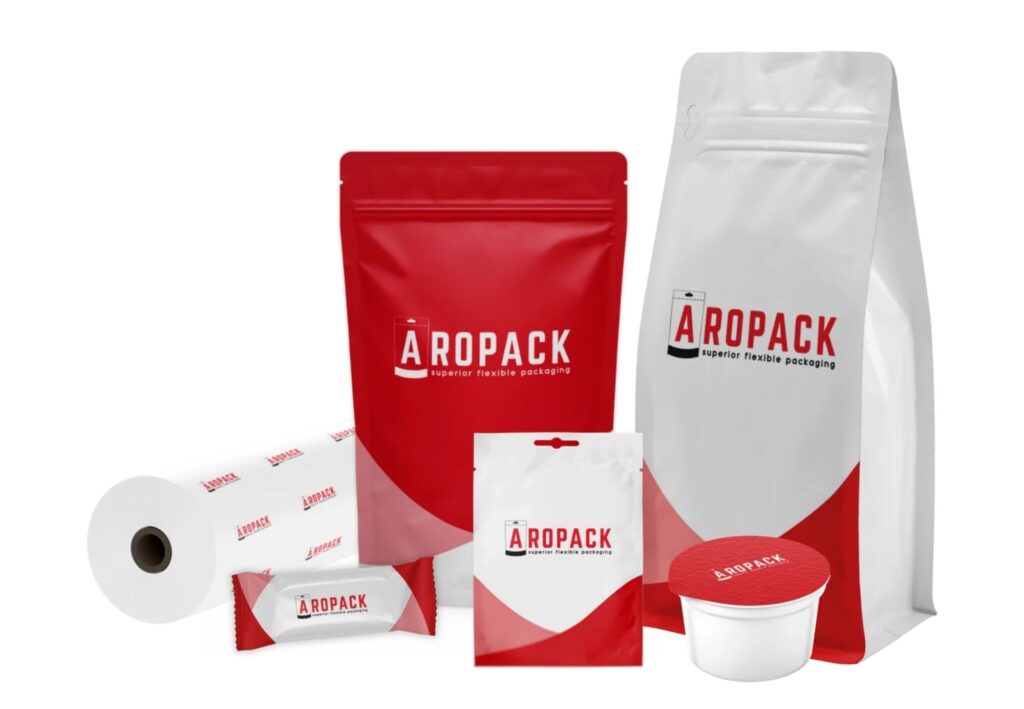
Different pouch formats behave very differently in storage. Flat pouches stack efficiently. Stand up pouches with gussets require more volume. Flat bottom bags look excellent on shelf but demand careful pallet planning.
Stock velocity matters too. A fast-moving SKU that turns over every few weeks is easier to manage than a slow seller that lingers in storage.
Aropack offers UK-based storage for larger orders, giving brands flexibility. It allows them to access better pricing without being overwhelmed by pallets from day one.
Balancing All Three Without Guesswork
The real challenge in pouch planning is balancing unit cost, cash flow, and warehouse space simultaneously. Optimising one while ignoring the others almost always creates problems later.
Strong planning starts with honest demand forecasts, even when they are imperfect. It then layers in practical realities. How quickly will this sell? How much cash can safely be tied up? Where will the packaging physically live?
We have seen brands commit to very large first orders to chase price, only to sit on unused stock months later and discount product to clear space. We have also seen brands order cautiously, learn from early sales, refine artwork, and scale smoothly.
Neither approach is inherently right or wrong. What matters is whether the decision aligns with the business’s actual situation.
Checklist for Smarter Pouch Order Planning
Before placing your next pouch order, it pays to pause and run a few grounding checks. These help surface trade-offs and reduce emotionally driven decisions.
Look at how long packaging spend will be tied up before sale. Confirm how many pallets the order will generate and where they will be stored. Compare at least two order volumes side by side. Consider whether artwork or regulatory changes are likely in the next six to twelve months. Decide whether flexibility or lowest unit cost matters more at this stage of growth.
A few minutes of reflection here can prevent months of frustration later.
Conclusion
Planning pouch orders is not about finding a perfect number. It is about making a balanced decision that supports the business today while leaving room to grow tomorrow. Unit cost, cash flow, and warehouse space all matter. Ignoring any one of them introduces risk.
At Aropack, we work with brands every day to build pouch ordering strategies grounded in commercial reality, not just spreadsheets. From selecting the right print method to structuring deliveries and storage, our focus is helping brands move forward with confidence rather than second-guessing. When packaging decisions feel calmer and more controlled, the whole business benefits. Give us a call on 01233 281460 or send us an email at info@aropack.co.uk for a free consultation.